








CLOTHES
No description available for this category.
What environmental benefits does virtual staging.

Clothes
SKU
Stock
Paid companionship for executives
Clothes
SKU
Stock
2quirkily4u554
Clothes
SKU
Stock
Value1978
Clothes
SKU
Stock
How does google indexing operate and what is it?
Clothes
SKU
Stock
In the last five years, how quickly has onlyfans.
Clothes
SKU
Stock
Woodandpaste
Clothes
SKU
Stock
Peptide fat loss costa rica
Clothes
SKU
Stock
Couplenecklacecross2008
Clothes
SKU
Stock
Indexing tool
Clothes
SKU
Stock
Neardiligentair2014
Clothes
SKU
Stock
Clothes drying rack
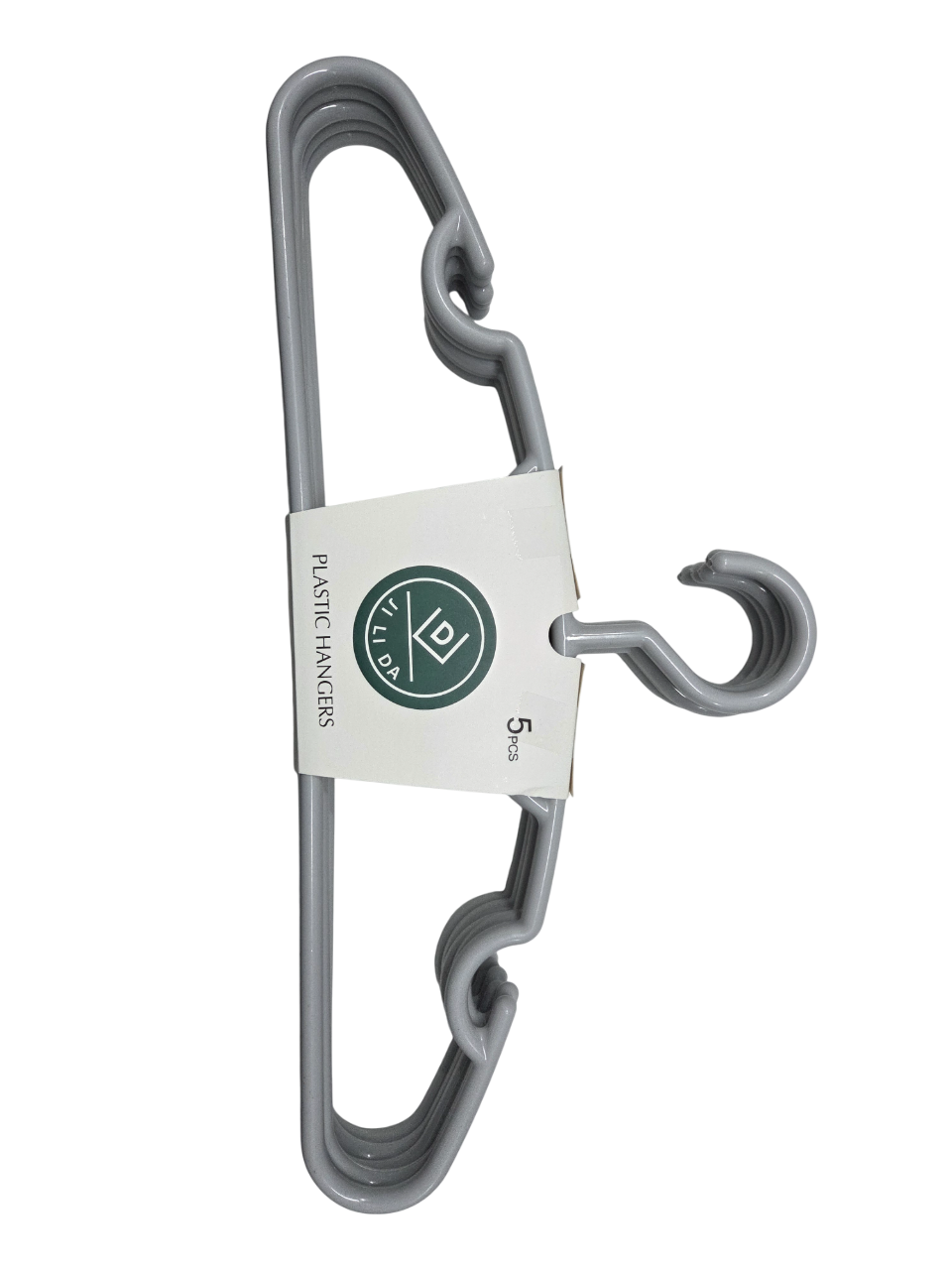
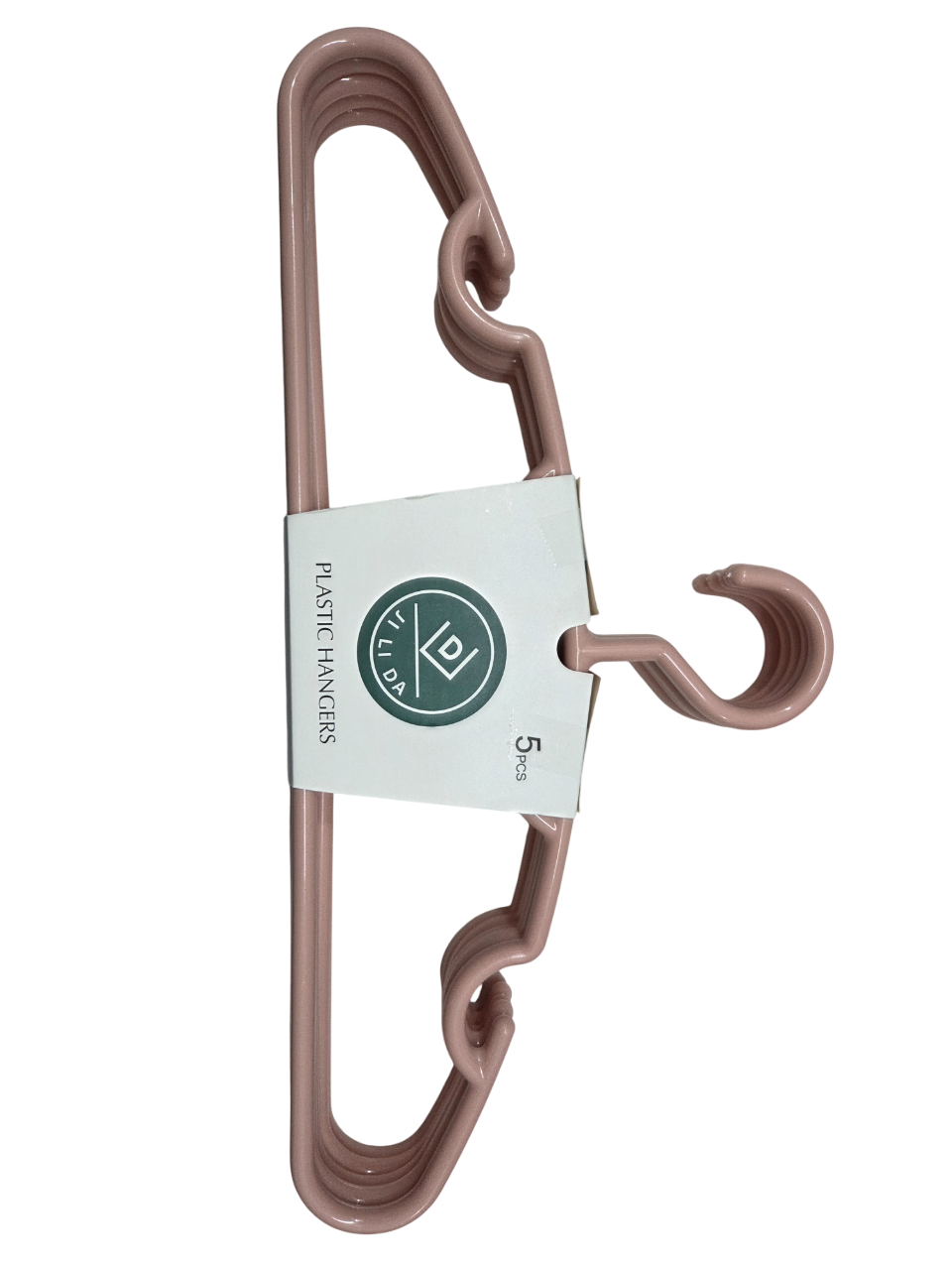
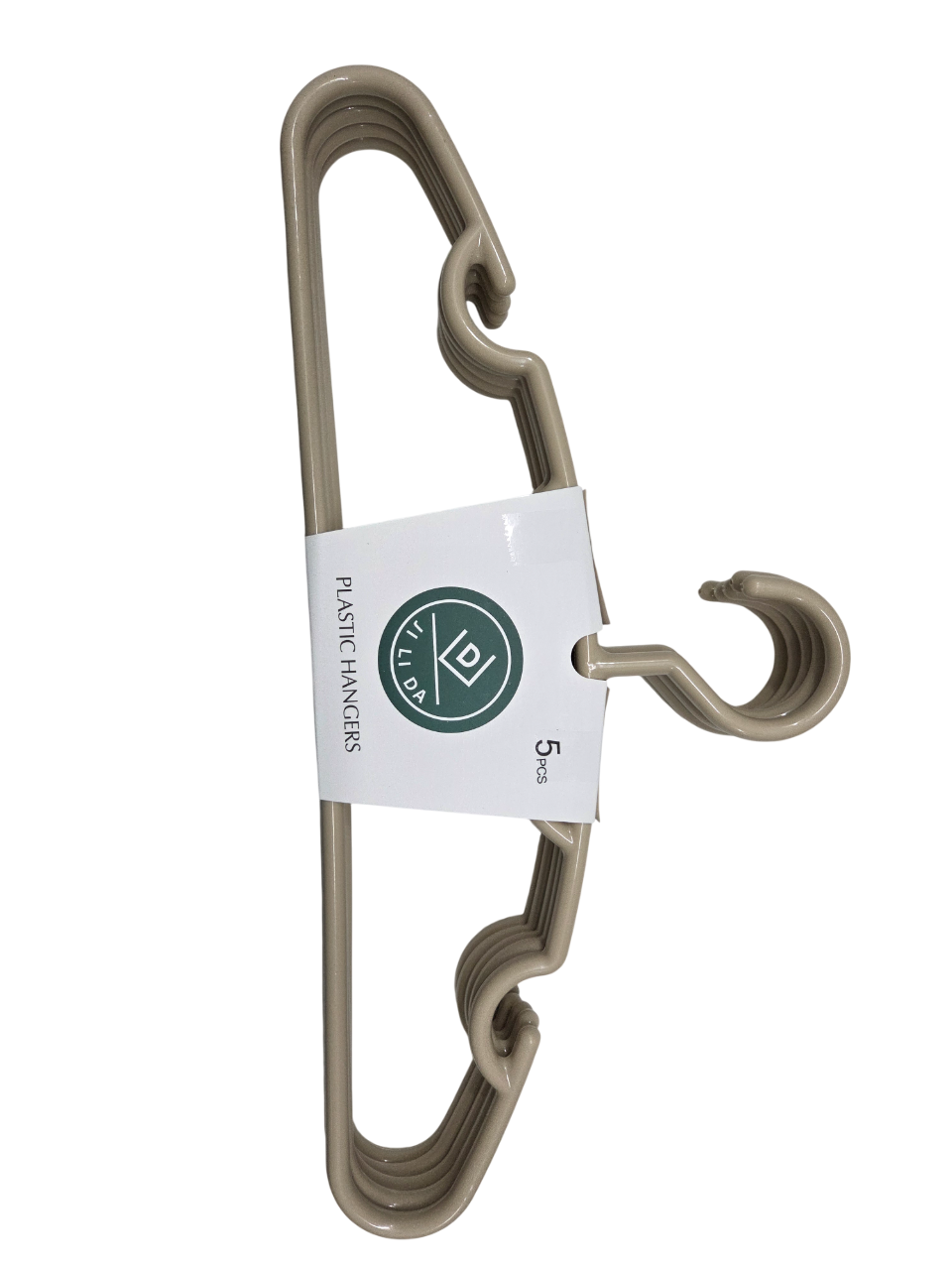
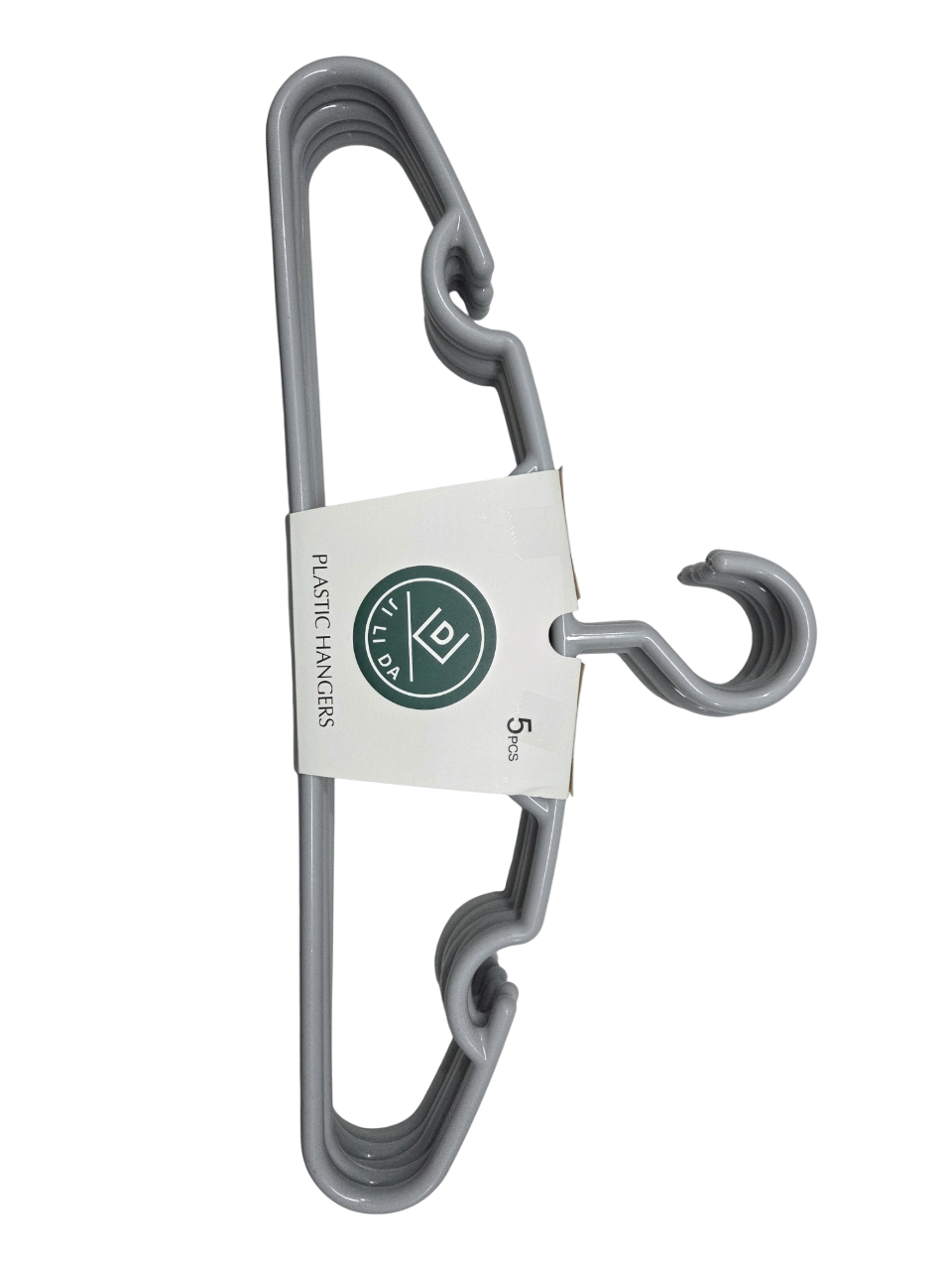
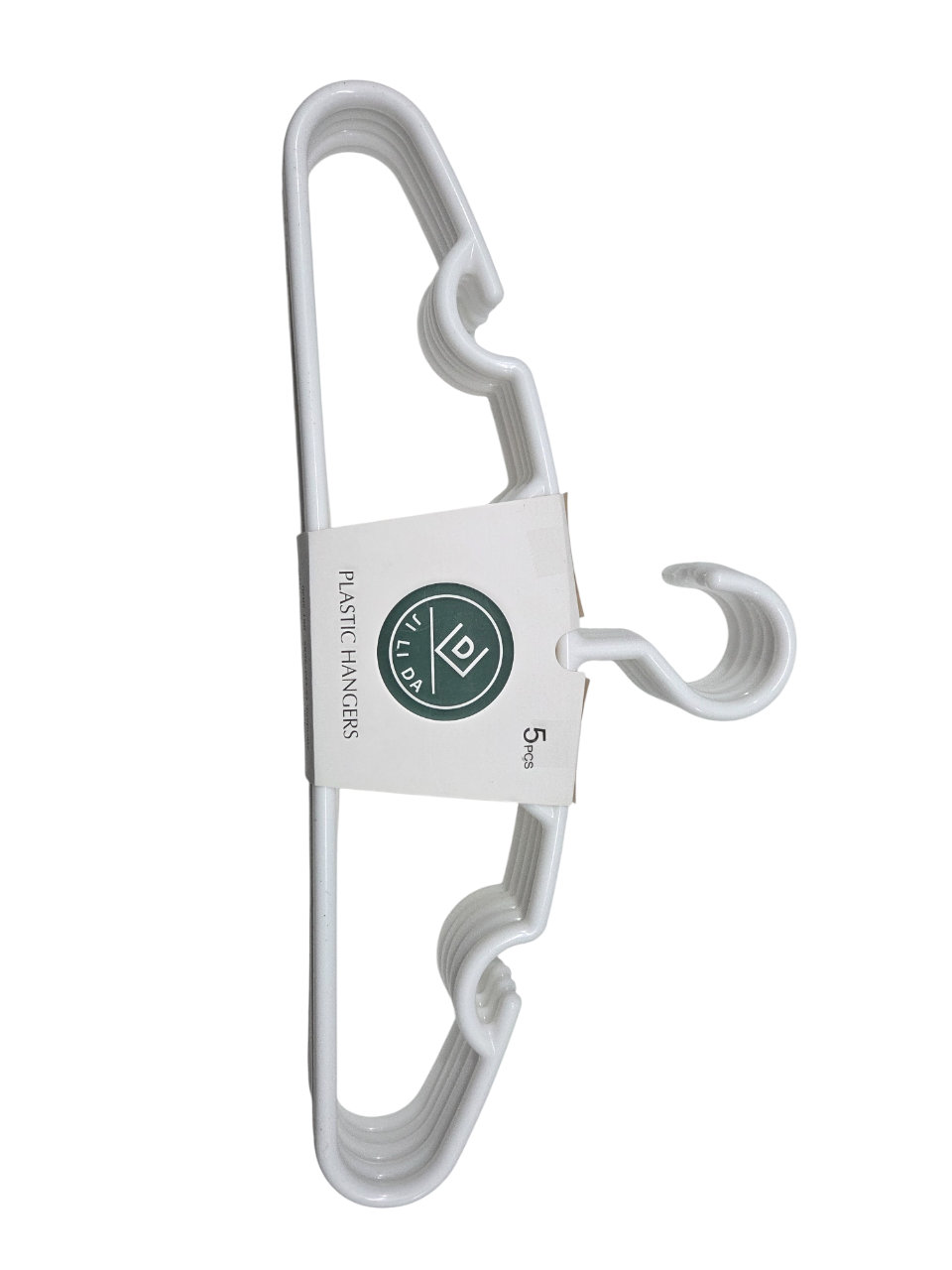
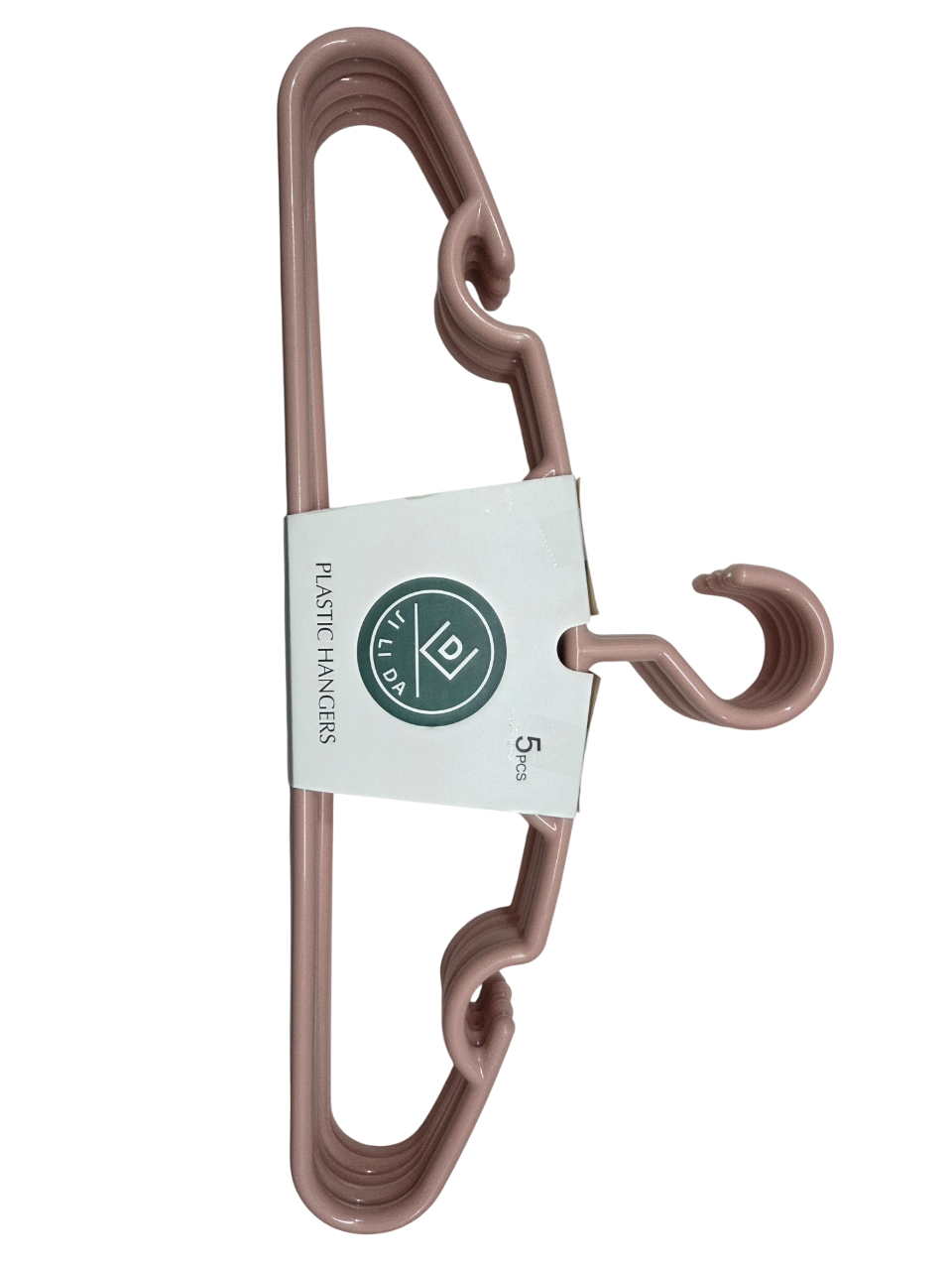
- Anti-slip velvet finishing: The velvet coating is ideal for fabrics, doesn’t ruin them and is also anti-slip. Perfect for satin, silk etc.
- 360-Degree rotating zinc hook: Effortlessly access your clothing from any angle with the convenience of a fully rotating hook.
- Lightweight and sturdy: Designed to be both lightweight and exceptionally durable for long-lasting use without compromising strength.
- Delicate garment care: Soft notches cater specifically to strappy and slip dresses, while rounded corners prevent unsightly shoulder bulges, preserving your clothes' shape.
- Material: Velvet fabric/Plastic
- Anti-slip velvet finishing: The velvet coating is ideal for fabrics, doesn’t ruin them and is also anti-slip. Perfect for satin, silk etc.
- 360-Degree rotating zinc hook: Effortlessly access your clothing from any angle with the convenience of a fully rotating hook.
- Lightweight and sturdy: Designed to be both lightweight and exceptionally durable for long-lasting use without compromising strength.
- Delicate garment care: Soft notches cater specifically to strappy and slip dresses, while rounded corners prevent unsightly shoulder bulges, preserving your clothes' shape.
- Material: Velvet fabric/Plastic
Clothes
SKU
HSN CODE
3924
Stock
Clothes drying rack
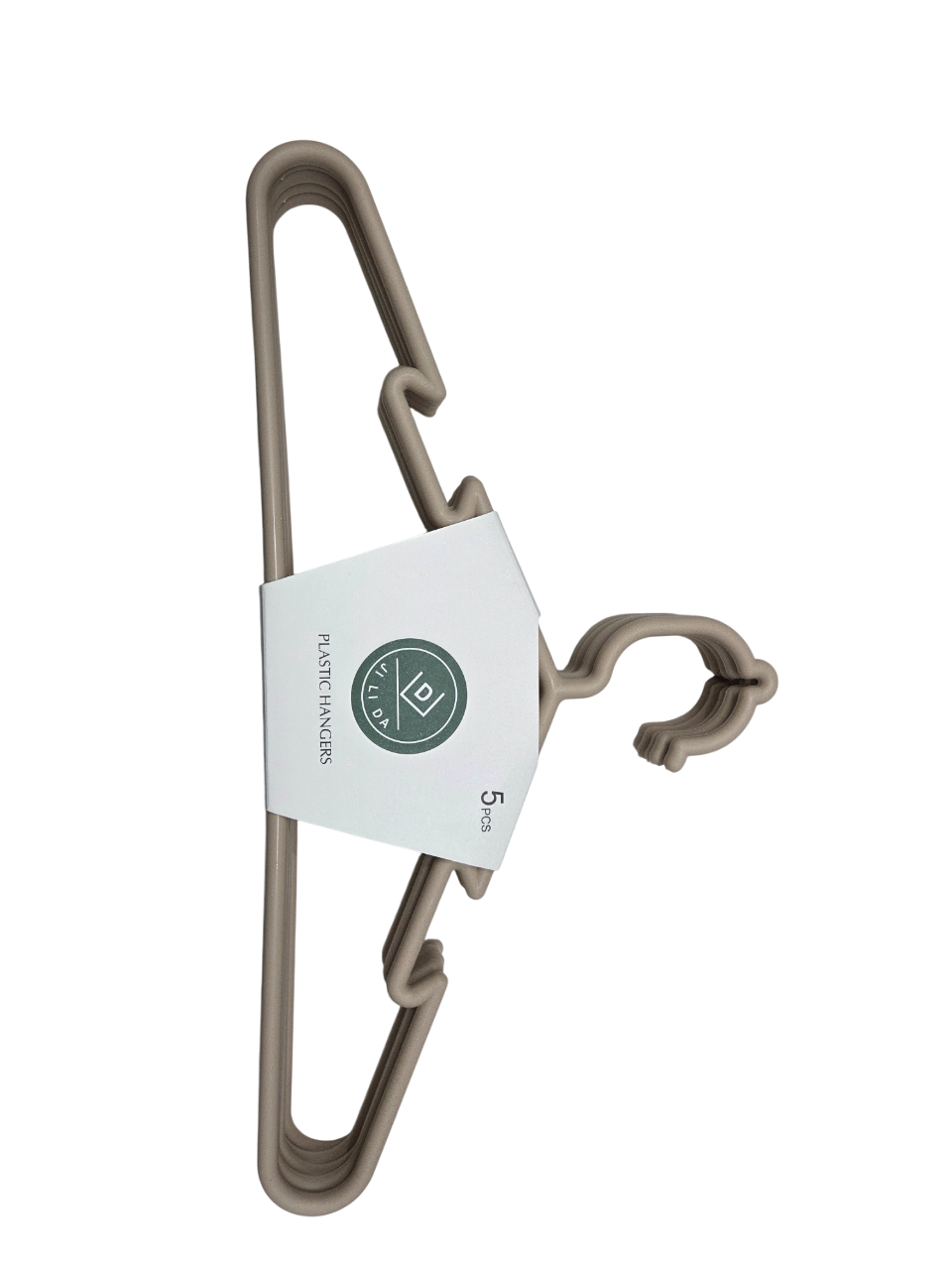
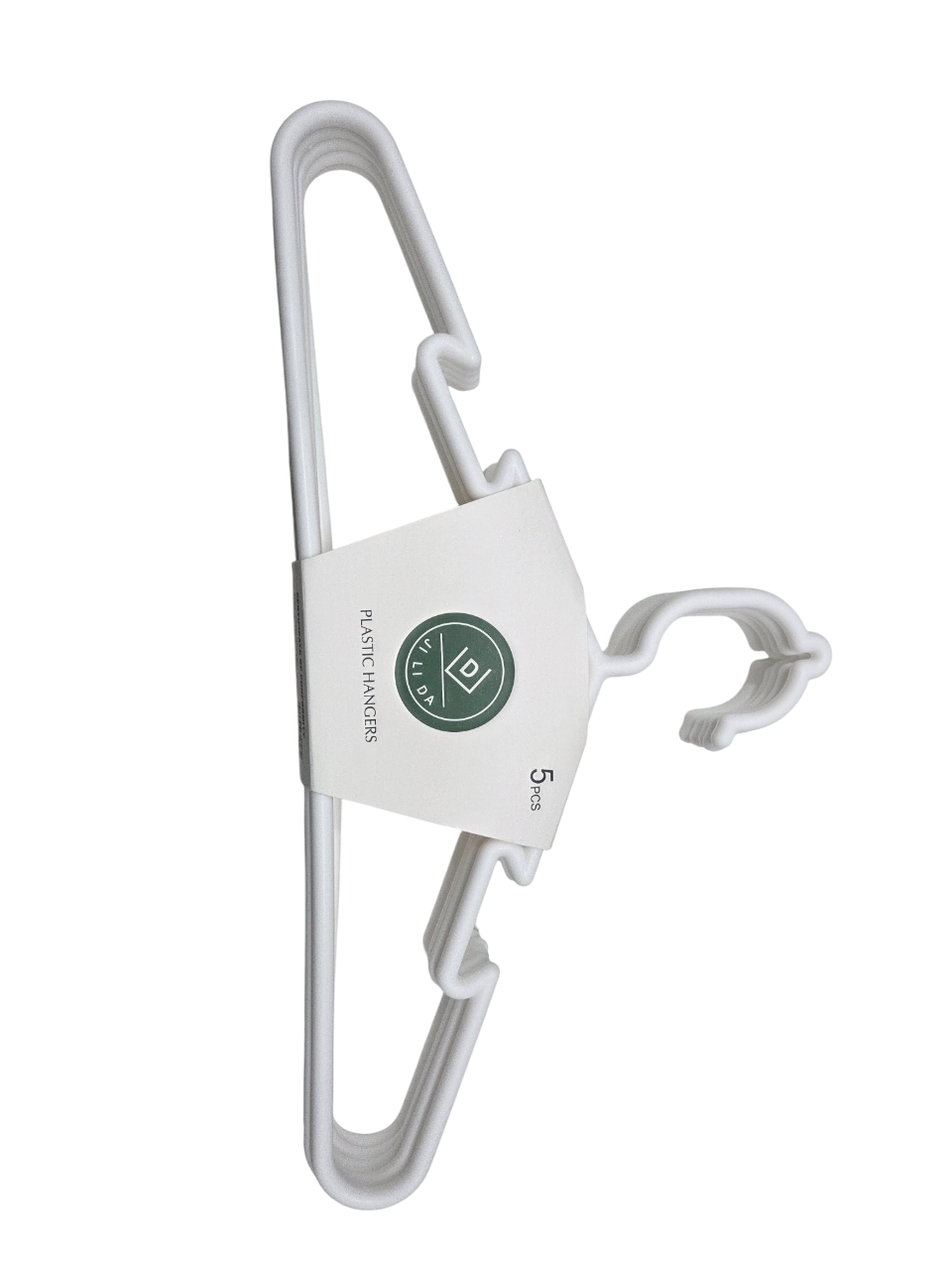
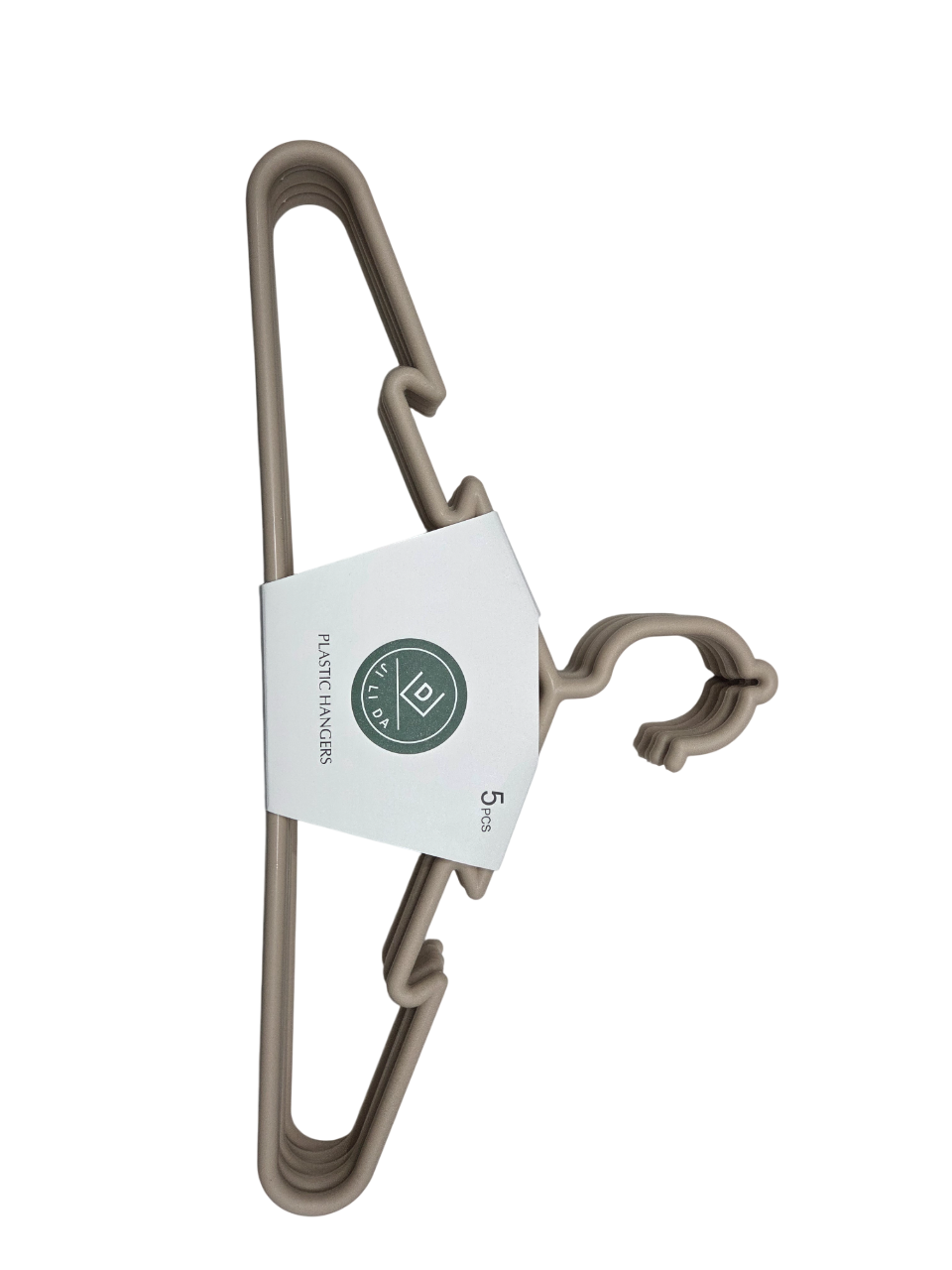
- Anti-slip velvet finishing: The velvet coating is ideal for fabrics, doesn’t ruin them and is also anti-slip. Perfect for satin, silk etc.
- 360-Degree rotating zinc hook: Effortlessly access your clothing from any angle with the convenience of a fully rotating hook.
- Lightweight and sturdy: Designed to be both lightweight and exceptionally durable for long-lasting use without compromising strength.
- Delicate garment care: Soft notches cater specifically to strappy and slip dresses, while rounded corners prevent unsightly shoulder bulges, preserving your clothes' shape.
- Material: Velvet fabric/Plastic
- Anti-slip velvet finishing: The velvet coating is ideal for fabrics, doesn’t ruin them and is also anti-slip. Perfect for satin, silk etc.
- 360-Degree rotating zinc hook: Effortlessly access your clothing from any angle with the convenience of a fully rotating hook.
- Lightweight and sturdy: Designed to be both lightweight and exceptionally durable for long-lasting use without compromising strength.
- Delicate garment care: Soft notches cater specifically to strappy and slip dresses, while rounded corners prevent unsightly shoulder bulges, preserving your clothes' shape.
- Material: Velvet fabric/Plastic
Clothes
SKU
HSN CODE
3924
Stock
Clothes drying rack
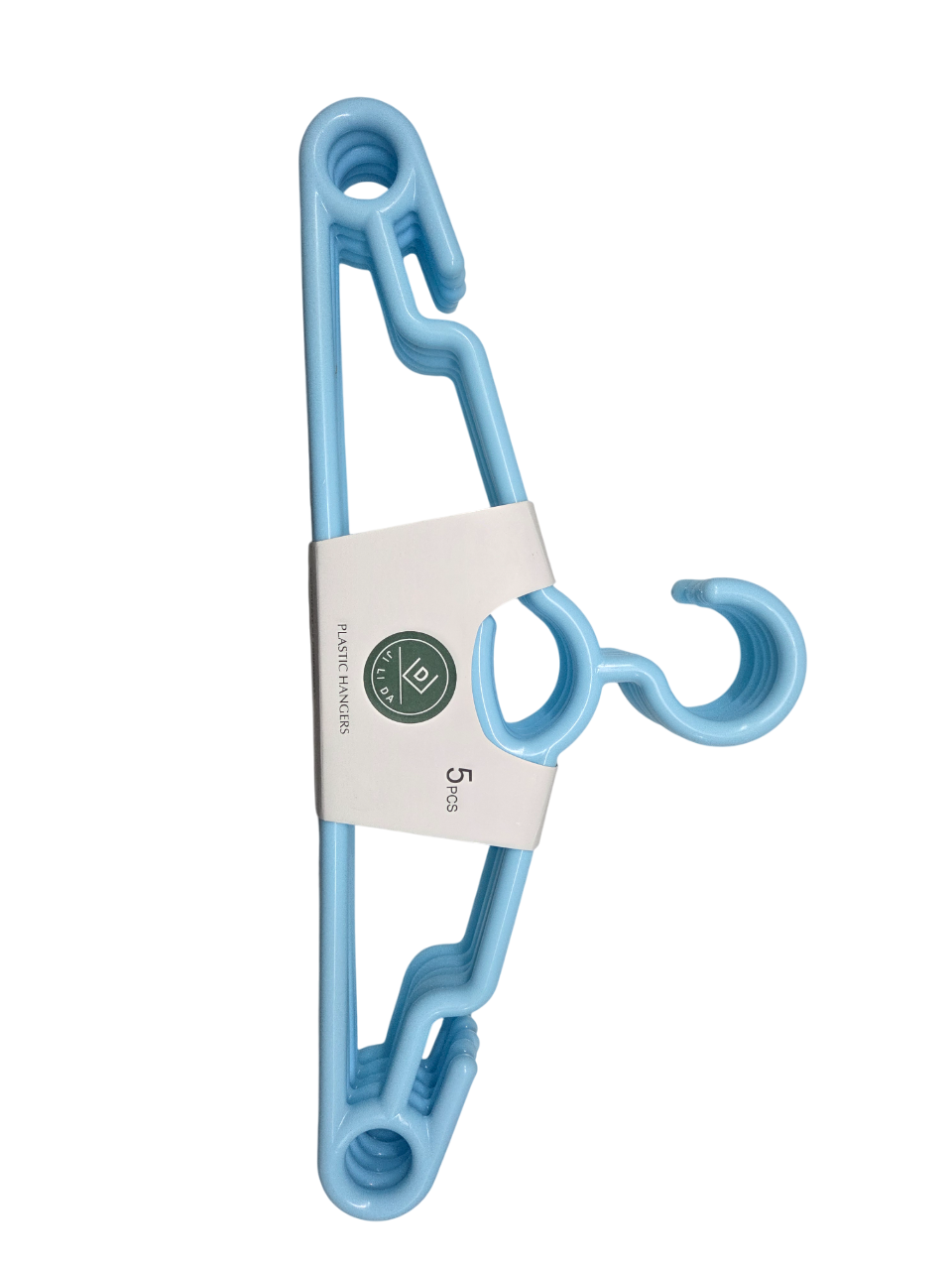
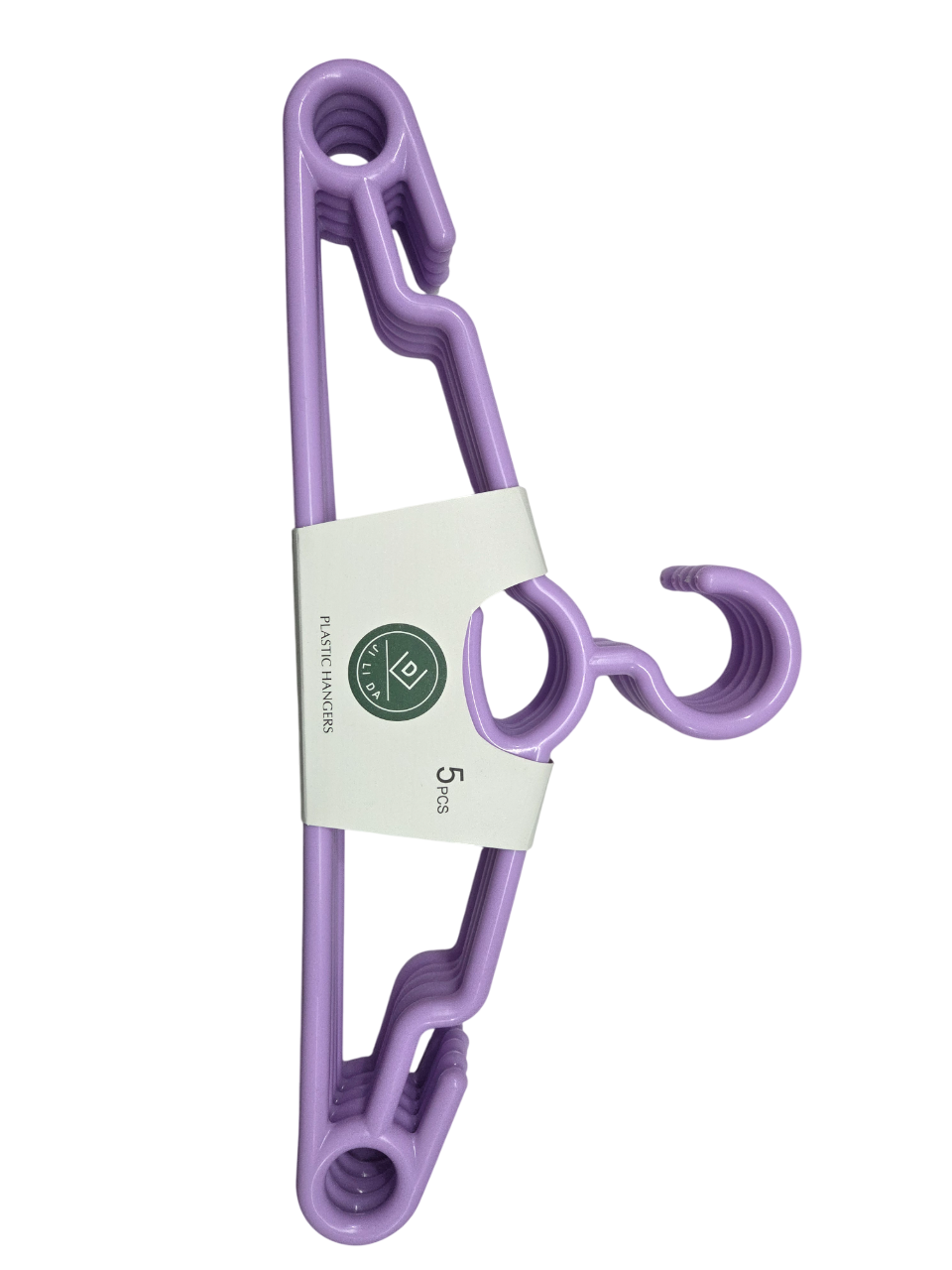
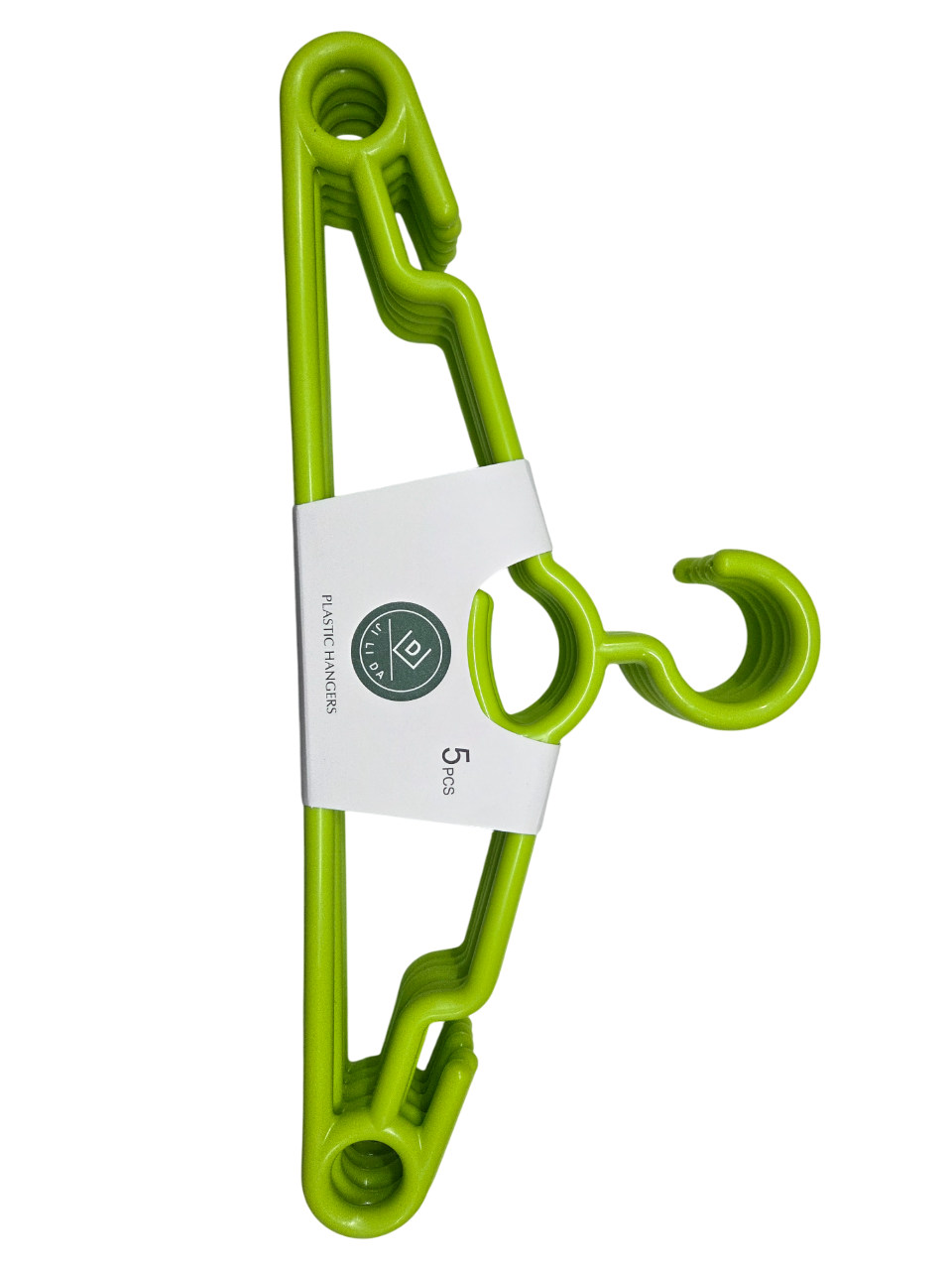
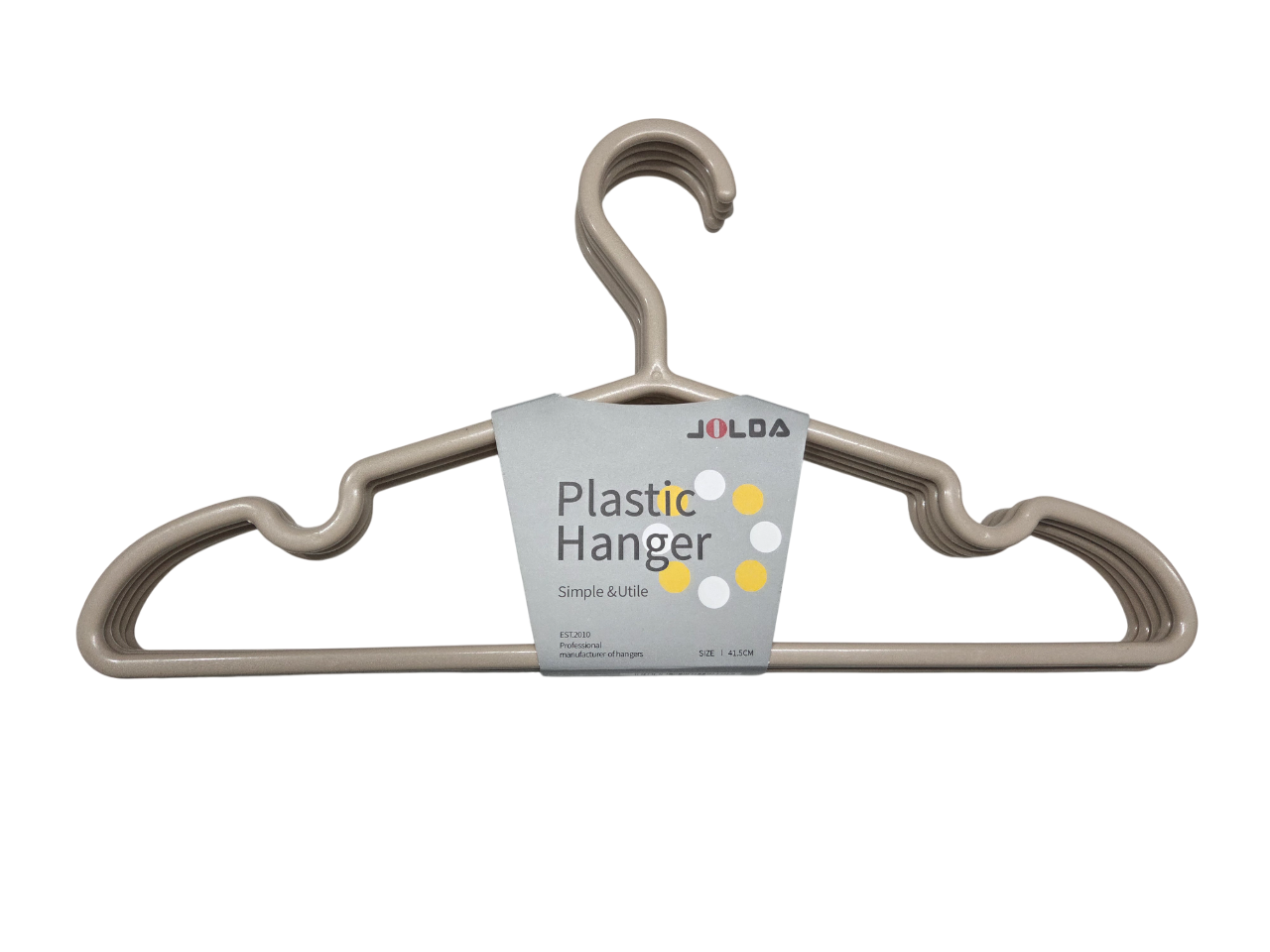
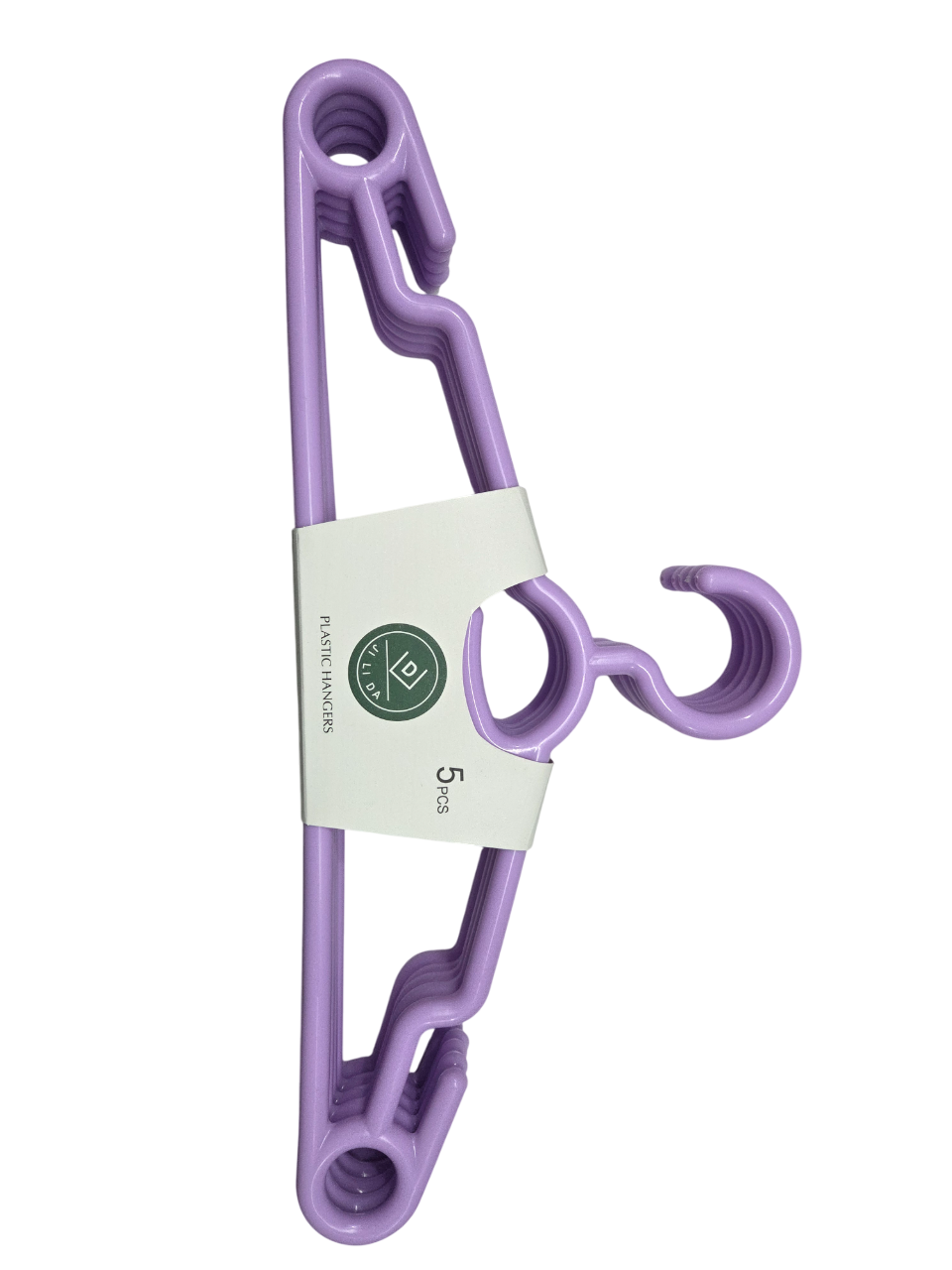
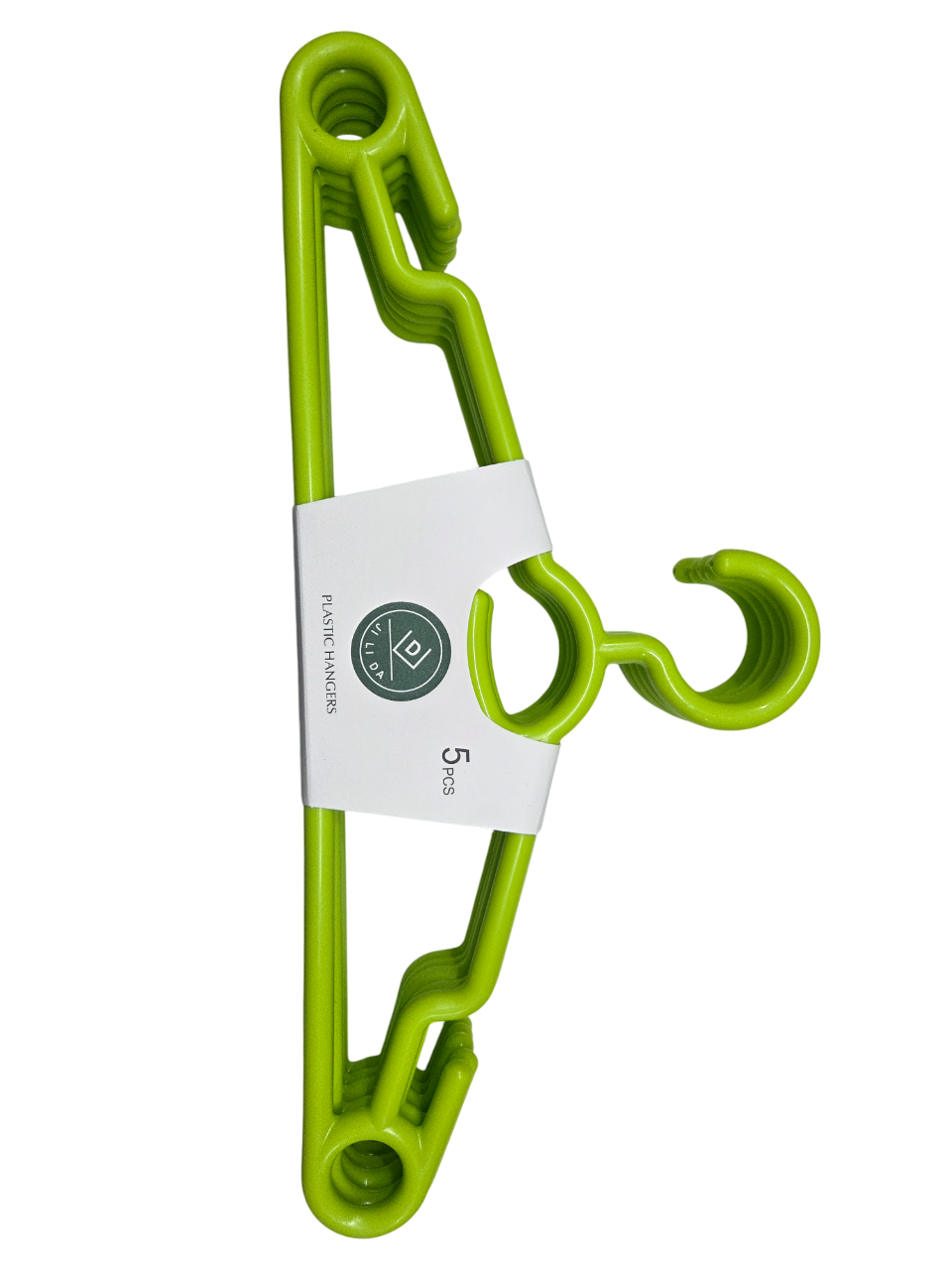
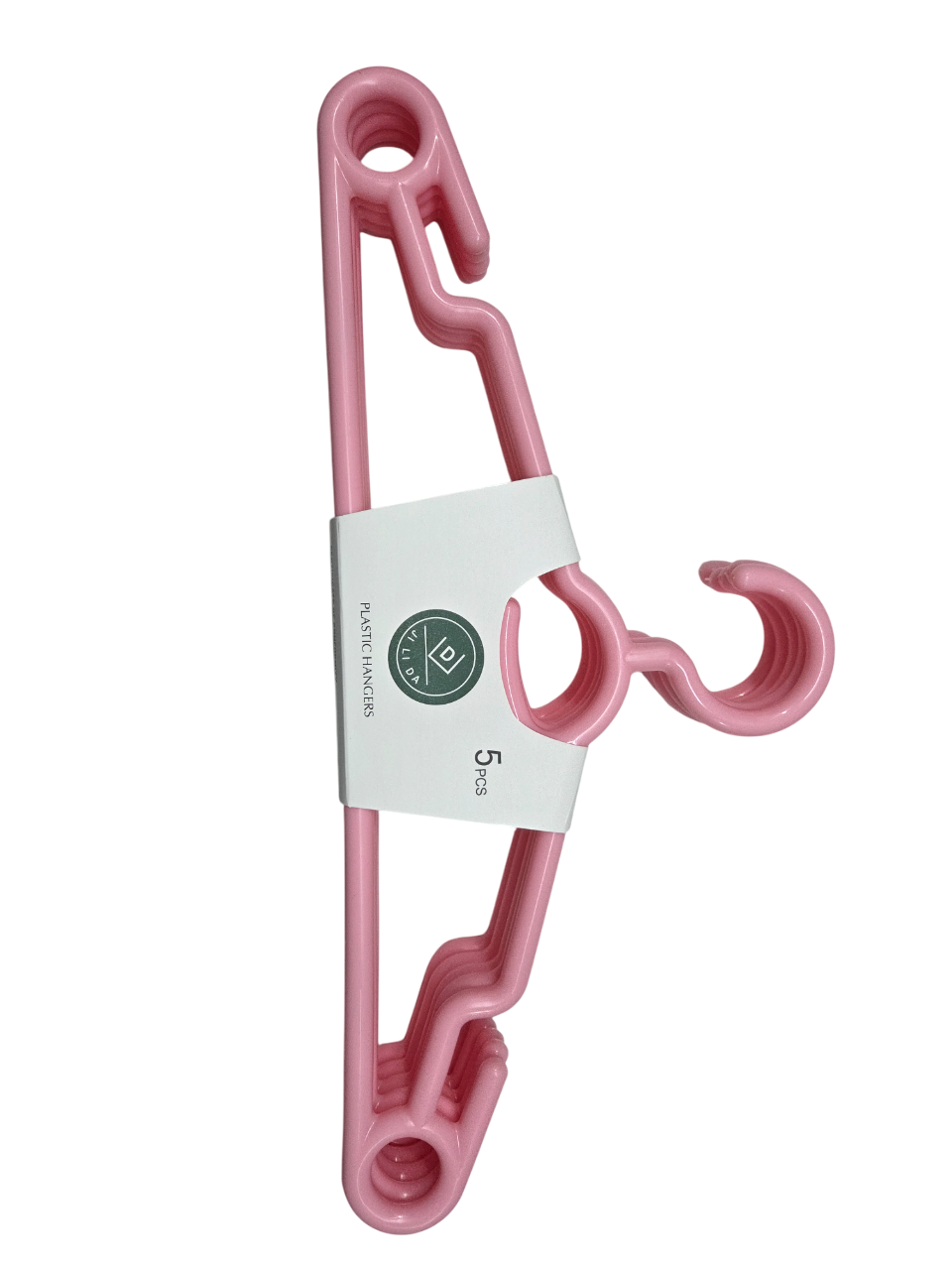
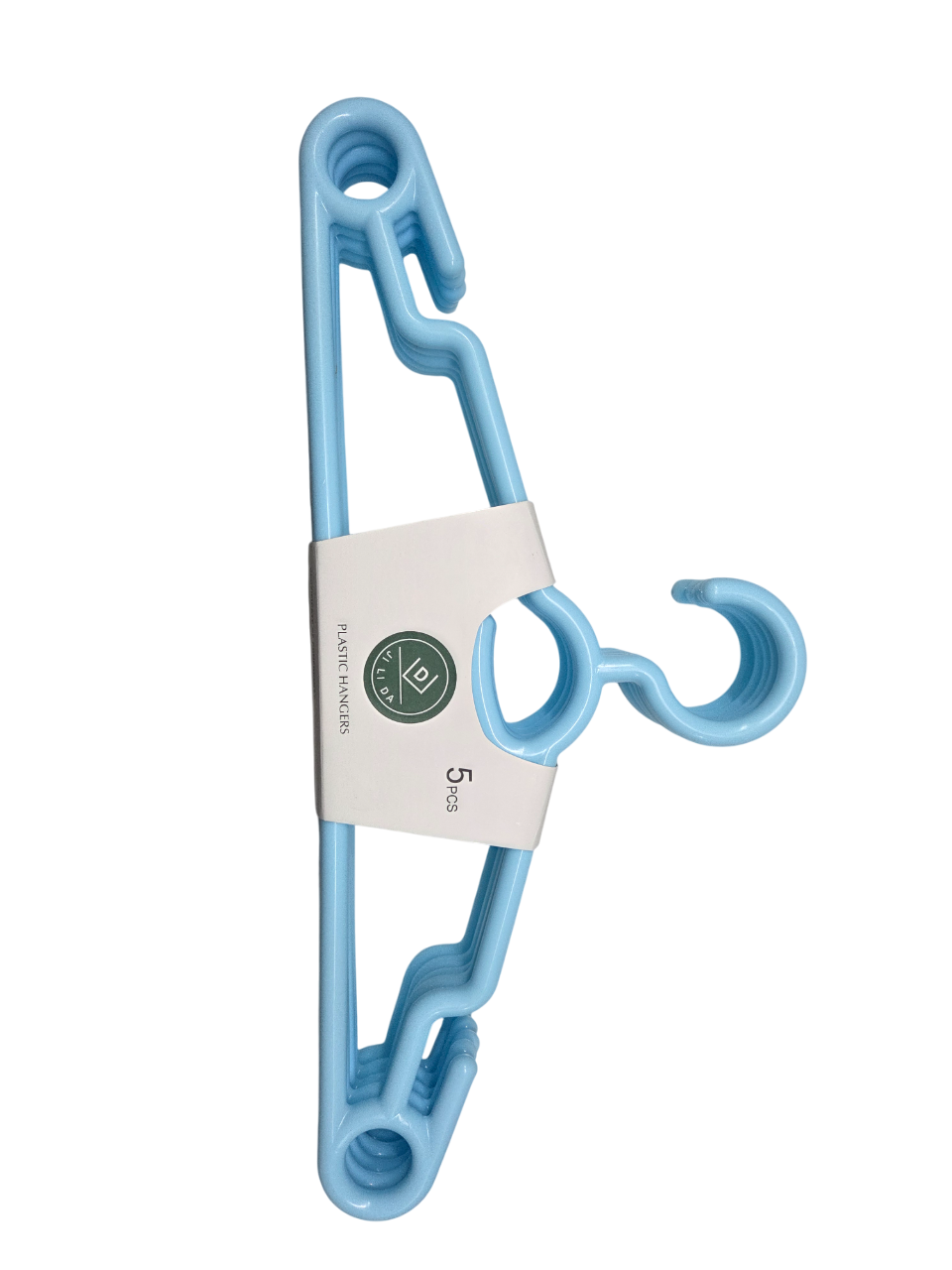
- Anti-slip velvet finishing: The velvet coating is ideal for fabrics, doesn’t ruin them and is also anti-slip. Perfect for satin, silk etc.
- 360-Degree rotating zinc hook: Effortlessly access your clothing from any angle with the convenience of a fully rotating hook.
- Lightweight and sturdy: Designed to be both lightweight and exceptionally durable for long-lasting use without compromising strength.
- Delicate garment care: Soft notches cater specifically to strappy and slip dresses, while rounded corners prevent unsightly shoulder bulges, preserving your clothes' shape.
- Material: Velvet fabric/Plastic
- Anti-slip velvet finishing: The velvet coating is ideal for fabrics, doesn’t ruin them and is also anti-slip. Perfect for satin, silk etc.
- 360-Degree rotating zinc hook: Effortlessly access your clothing from any angle with the convenience of a fully rotating hook.
- Lightweight and sturdy: Designed to be both lightweight and exceptionally durable for long-lasting use without compromising strength.
- Delicate garment care: Soft notches cater specifically to strappy and slip dresses, while rounded corners prevent unsightly shoulder bulges, preserving your clothes' shape.
- Material: Velvet fabric/Plastic
Clothes
SKU
HSN CODE
3924
Stock
Clothes drying rack
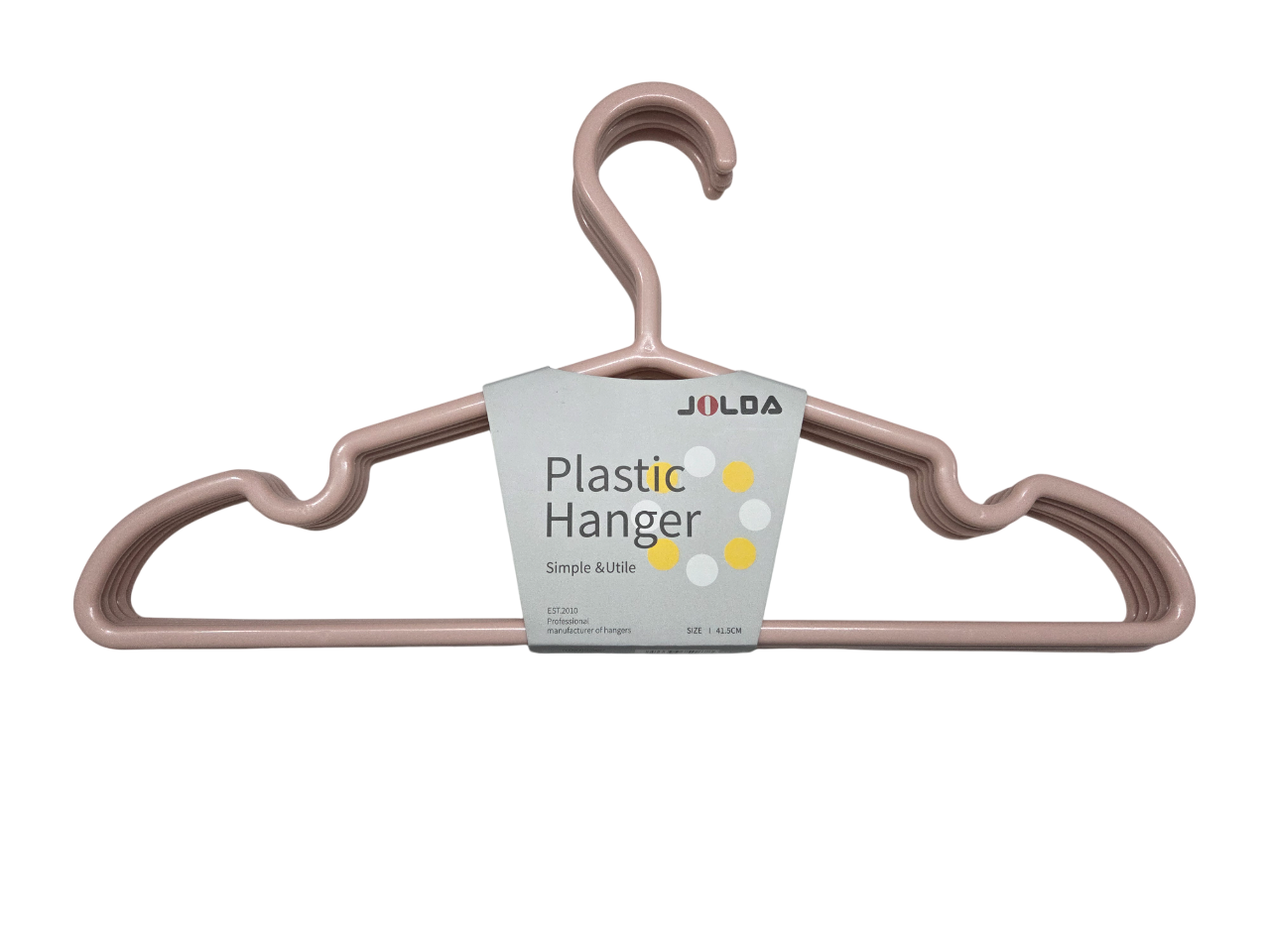
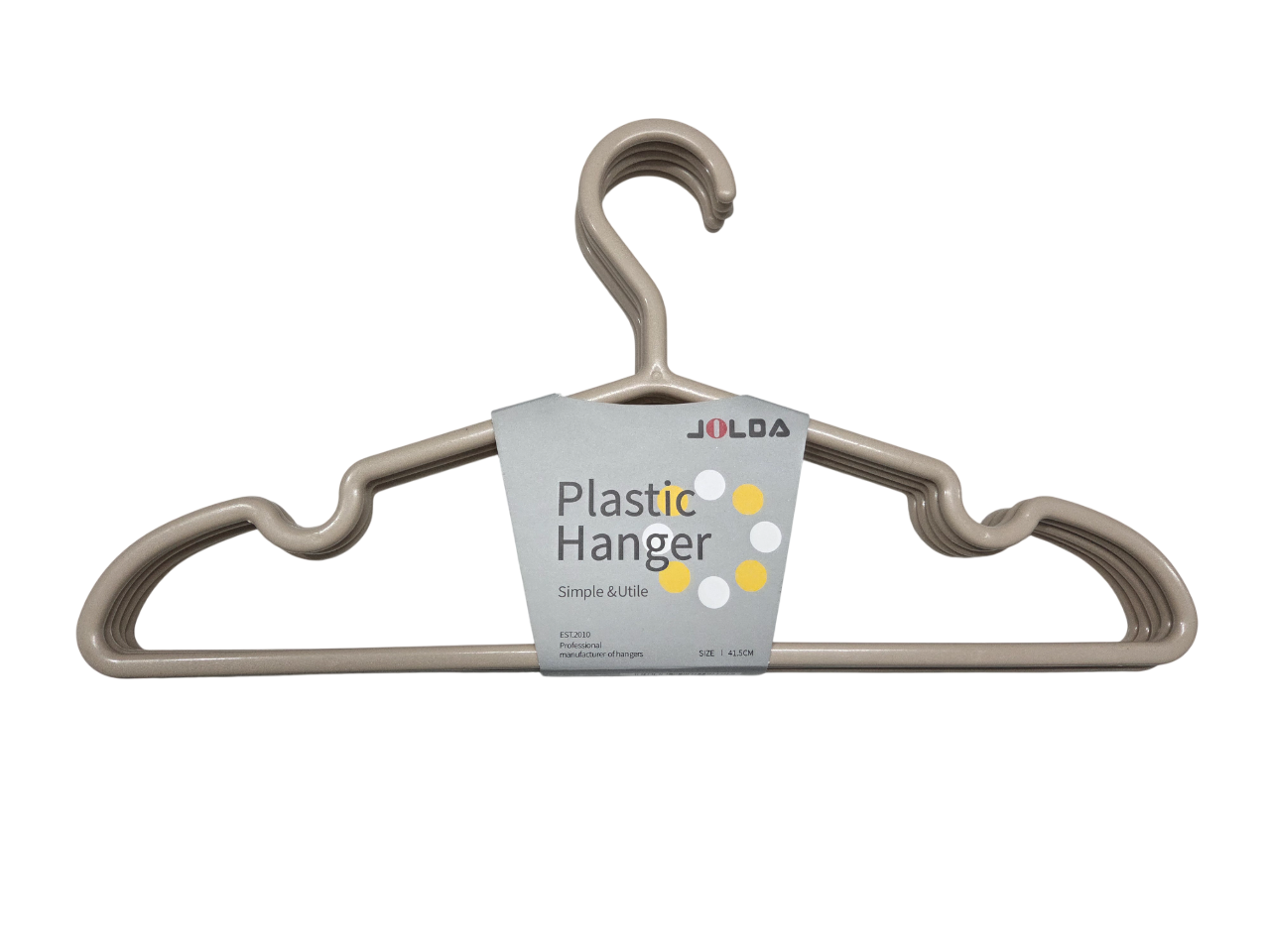
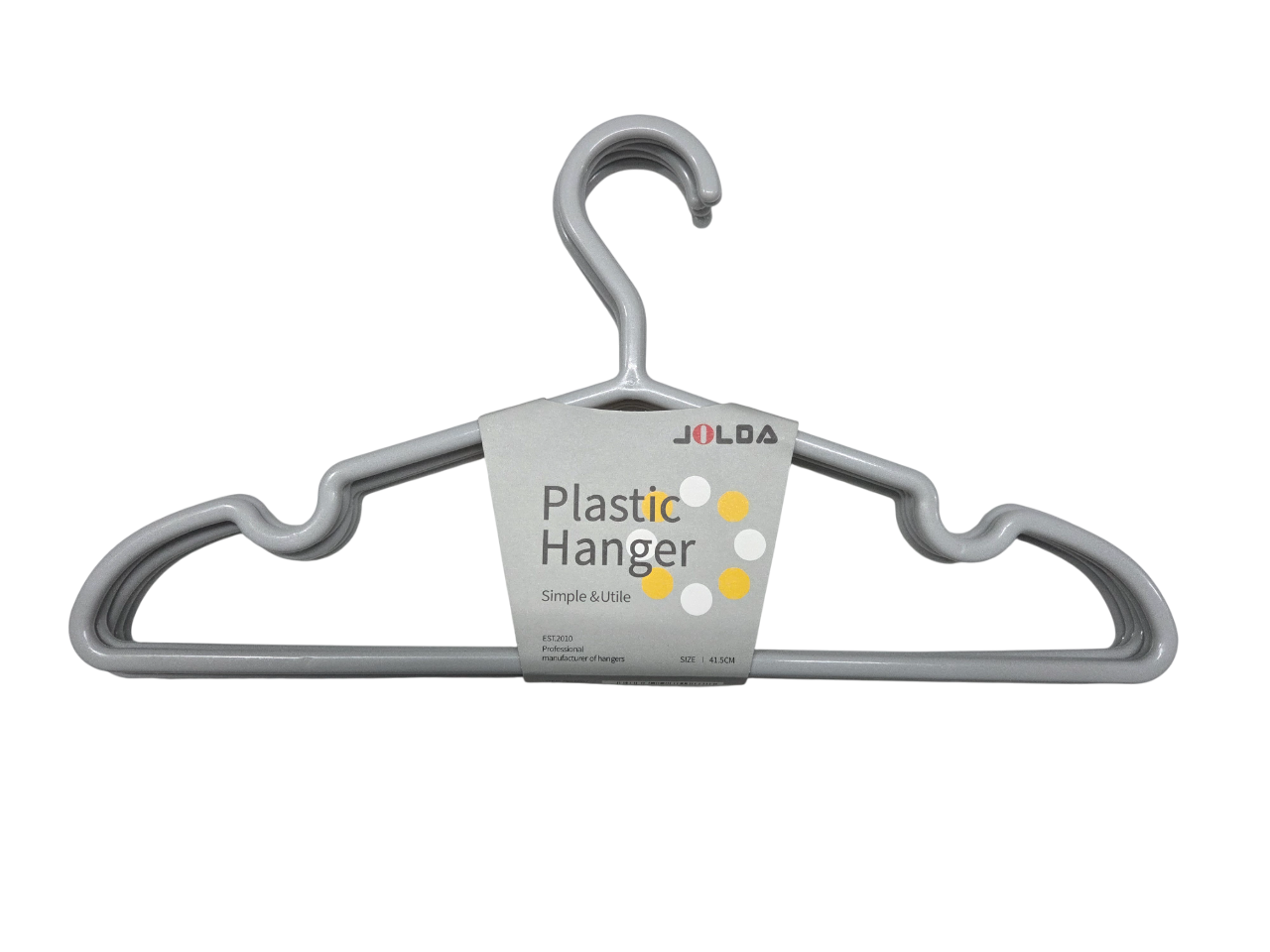
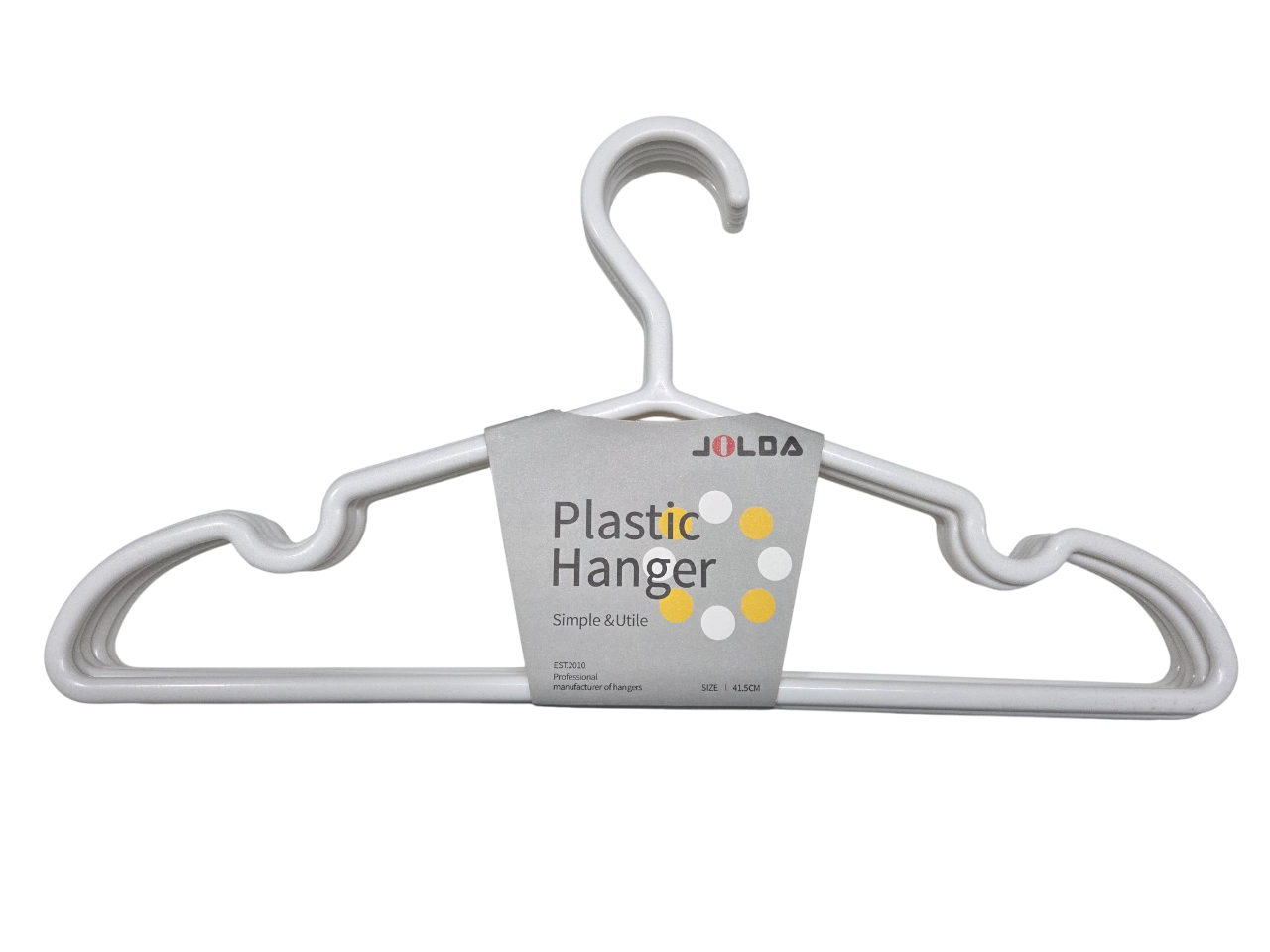
- Anti-slip velvet finishing: The velvet coating is ideal for fabrics, doesn’t ruin them and is also anti-slip. Perfect for satin, silk etc.
- 360-Degree rotating zinc hook: Effortlessly access your clothing from any angle with the convenience of a fully rotating hook.
- Lightweight and sturdy: Designed to be both lightweight and exceptionally durable for long-lasting use without compromising strength.
- Delicate garment care: Soft notches cater specifically to strappy and slip dresses, while rounded corners prevent unsightly shoulder bulges, preserving your clothes' shape.
- Material: Velvet fabric/Plastic
- Anti-slip velvet finishing: The velvet coating is ideal for fabrics, doesn’t ruin them and is also anti-slip. Perfect for satin, silk etc.
- 360-Degree rotating zinc hook: Effortlessly access your clothing from any angle with the convenience of a fully rotating hook.
- Lightweight and sturdy: Designed to be both lightweight and exceptionally durable for long-lasting use without compromising strength.
- Delicate garment care: Soft notches cater specifically to strappy and slip dresses, while rounded corners prevent unsightly shoulder bulges, preserving your clothes' shape.
- Material: Velvet fabric/Plastic
Clothes
SKU
HSN CODE
3924
Stock
Clothes drying rack
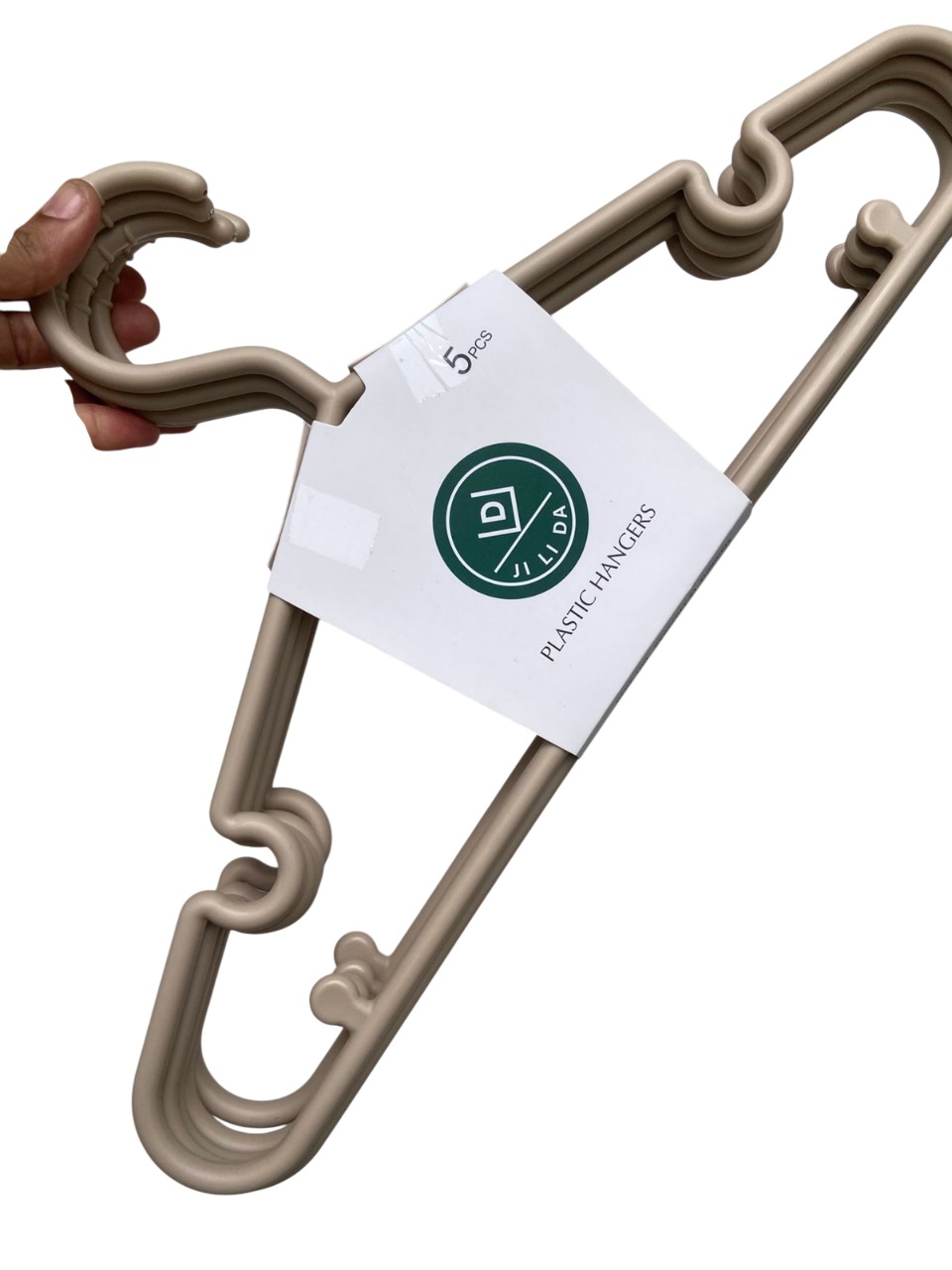
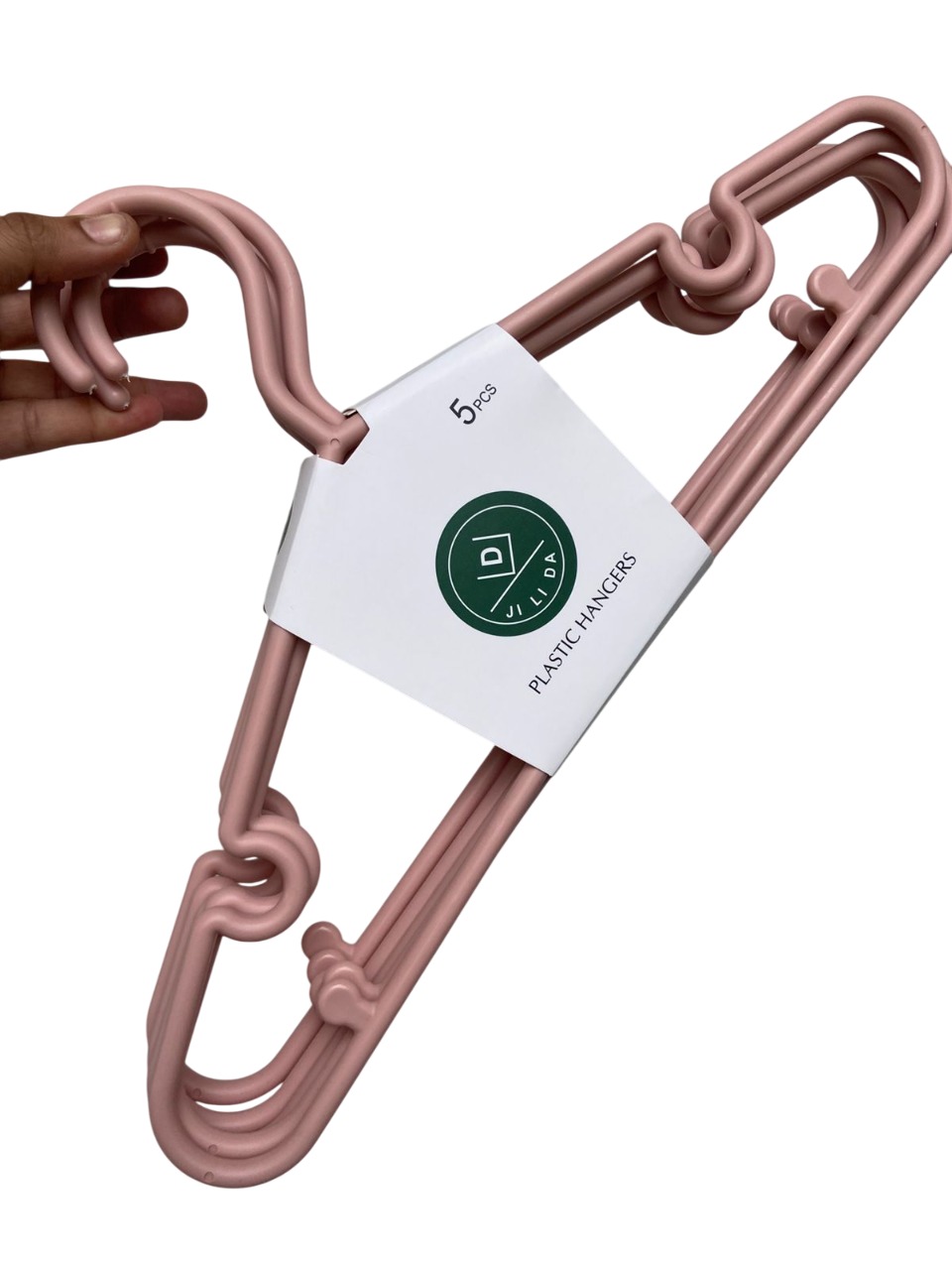
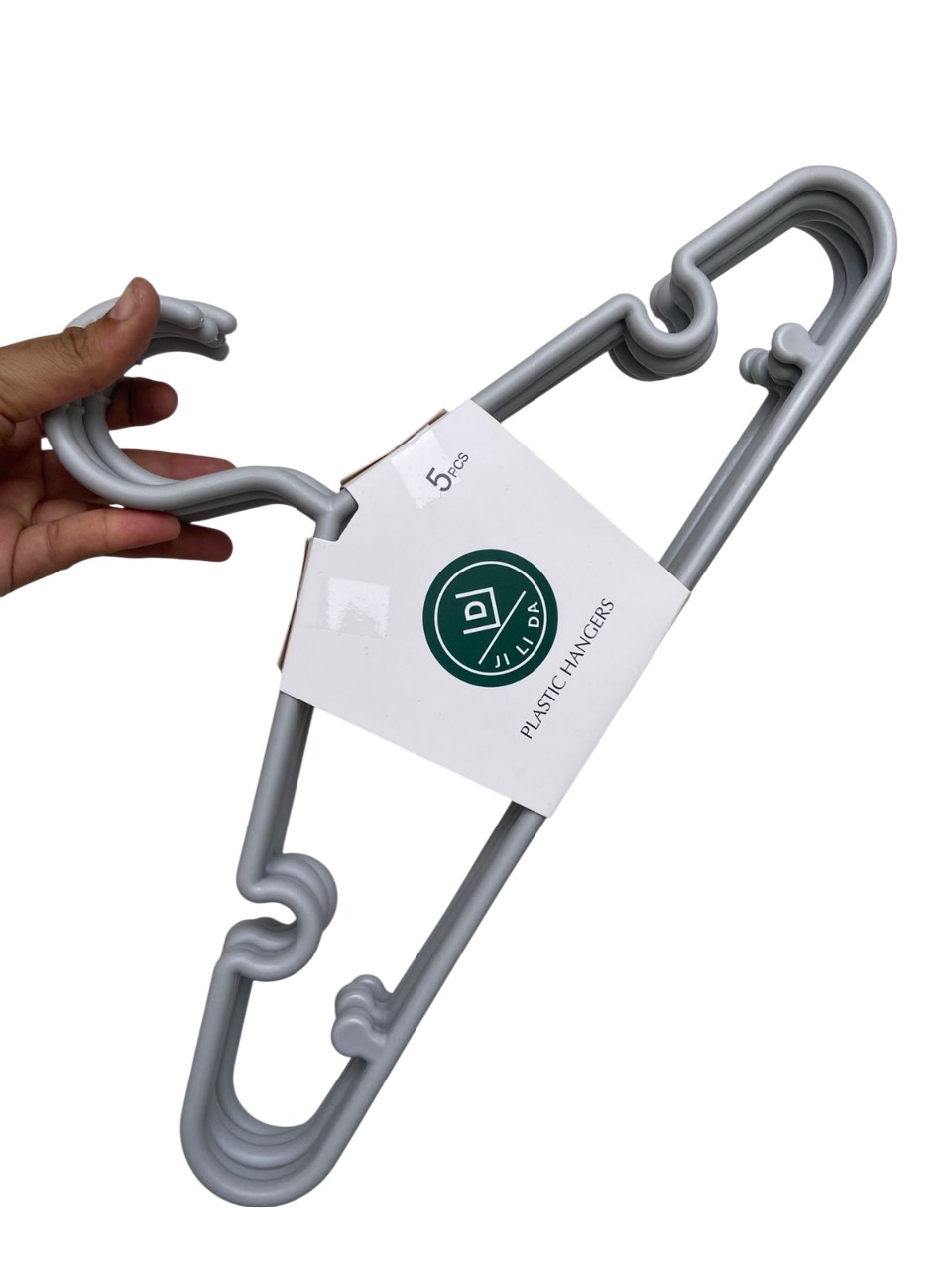
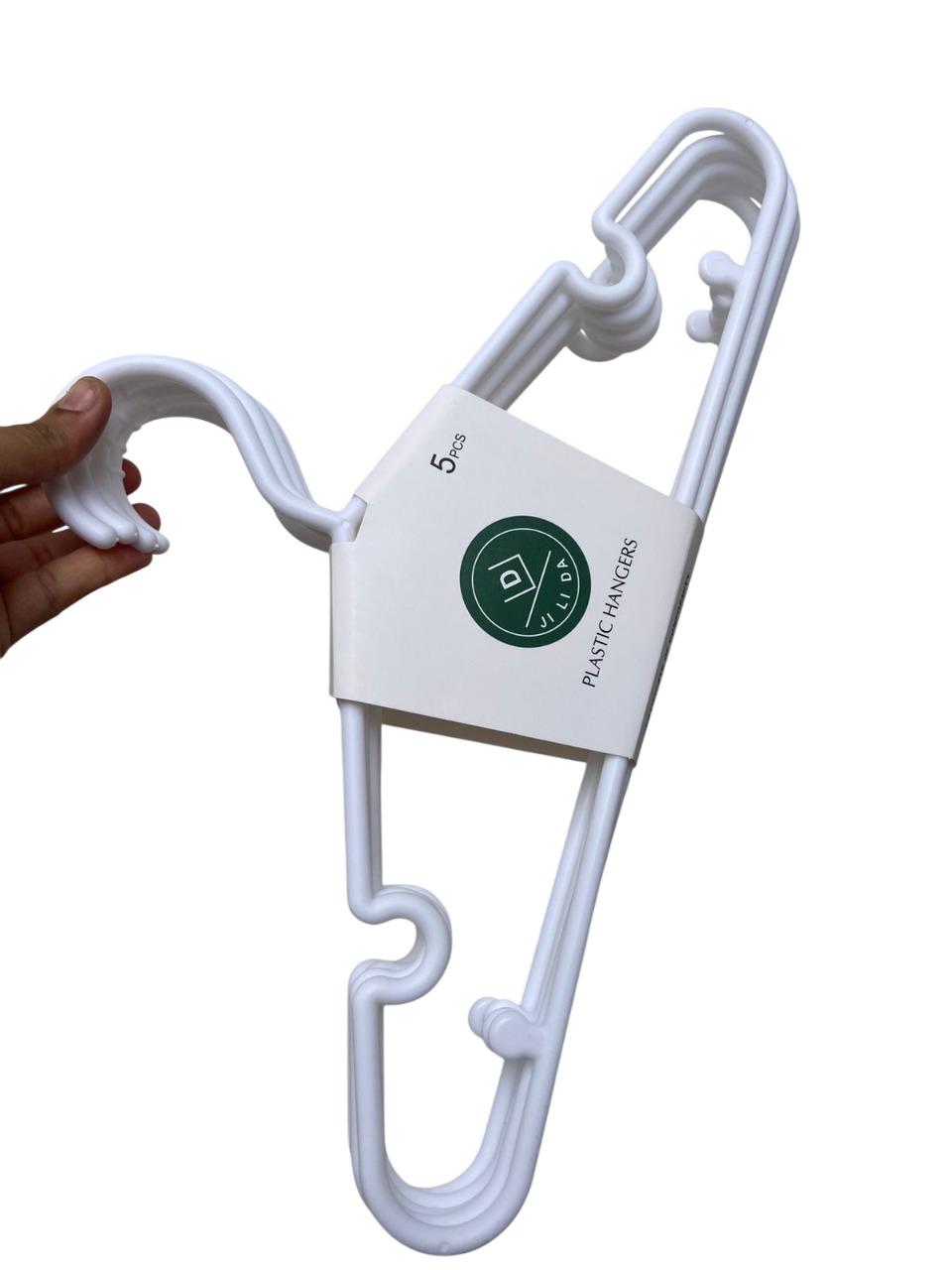
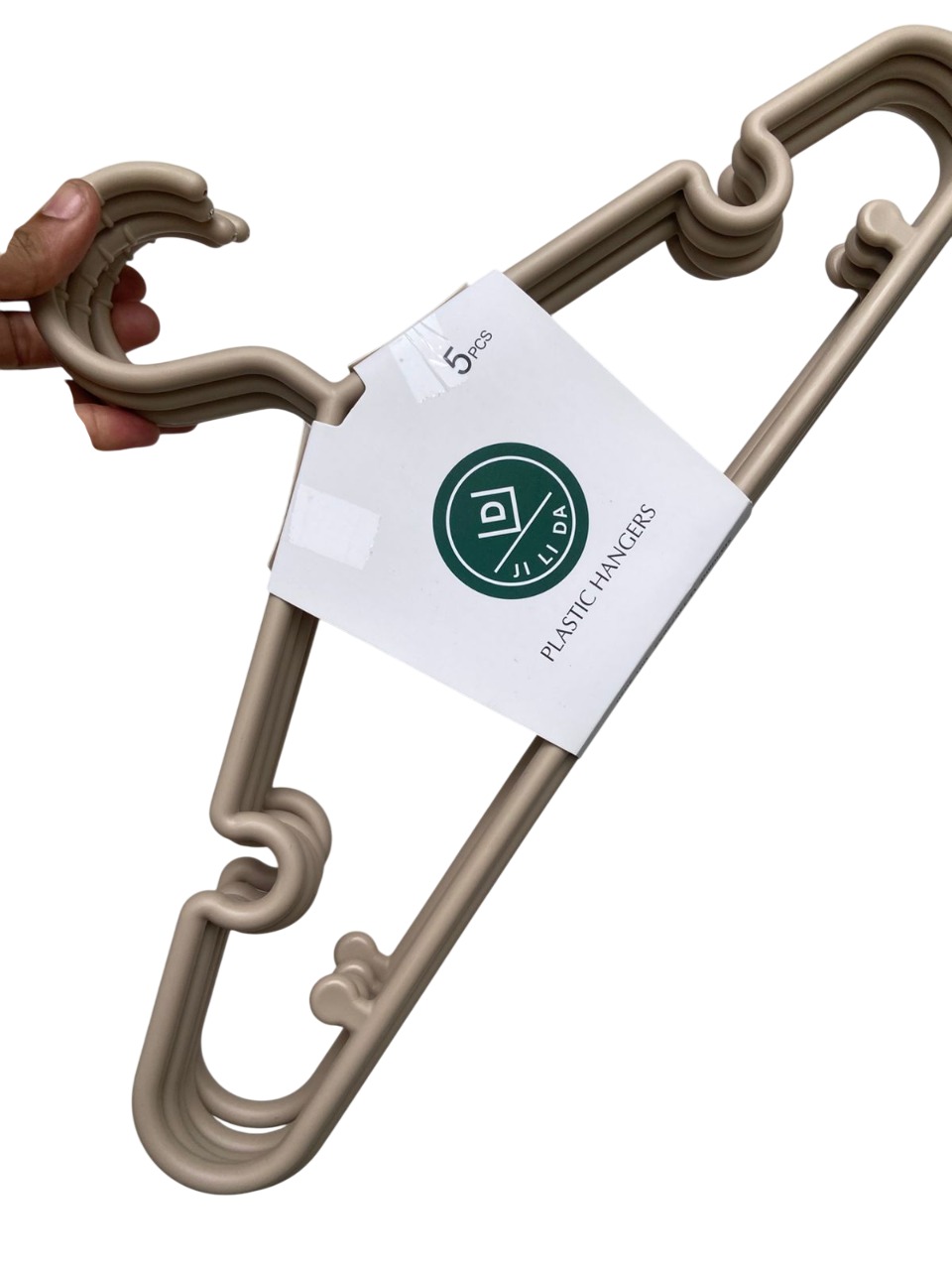
- Anti-slip velvet finishing: The velvet coating is ideal for fabrics, doesn’t ruin them and is also anti-slip. Perfect for satin, silk etc.
- 360-Degree rotating zinc hook: Effortlessly access your clothing from any angle with the convenience of a fully rotating hook.
- Lightweight and sturdy: Designed to be both lightweight and exceptionally durable for long-lasting use without compromising strength.
- Delicate garment care: Soft notches cater specifically to strappy and slip dresses, while rounded corners prevent unsightly shoulder bulges, preserving your clothes' shape.
- Material: Velvet fabric/Plastic
- Anti-slip velvet finishing: The velvet coating is ideal for fabrics, doesn’t ruin them and is also anti-slip. Perfect for satin, silk etc.
- 360-Degree rotating zinc hook: Effortlessly access your clothing from any angle with the convenience of a fully rotating hook.
- Lightweight and sturdy: Designed to be both lightweight and exceptionally durable for long-lasting use without compromising strength.
- Delicate garment care: Soft notches cater specifically to strappy and slip dresses, while rounded corners prevent unsightly shoulder bulges, preserving your clothes' shape.
- Material: Velvet fabric/Plastic
Clothes
SKU
HSN CODE
3924
Stock
Clothes drying rack
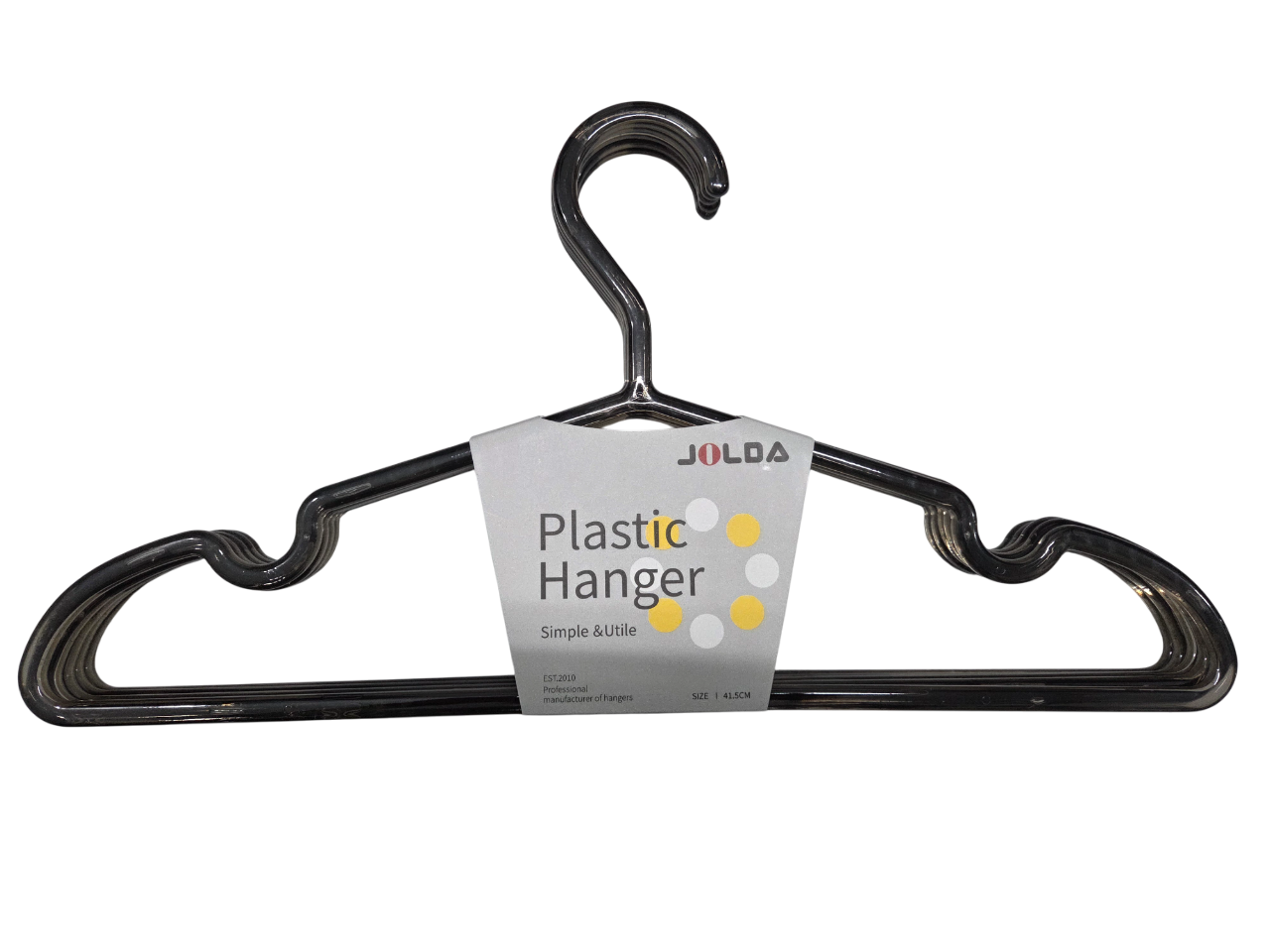
- Anti-slip velvet finishing: The velvet coating is ideal for fabrics, doesn’t ruin them and is also anti-slip. Perfect for satin, silk etc.
- 360-Degree rotating zinc hook: Effortlessly access your clothing from any angle with the convenience of a fully rotating hook.
- Lightweight and sturdy: Designed to be both lightweight and exceptionally durable for long-lasting use without compromising strength.
- Delicate garment care: Soft notches cater specifically to strappy and slip dresses, while rounded corners prevent unsightly shoulder bulges, preserving your clothes' shape.
- Material: Velvet fabric/Plastic
- Anti-slip velvet finishing: The velvet coating is ideal for fabrics, doesn’t ruin them and is also anti-slip. Perfect for satin, silk etc.
- 360-Degree rotating zinc hook: Effortlessly access your clothing from any angle with the convenience of a fully rotating hook.
- Lightweight and sturdy: Designed to be both lightweight and exceptionally durable for long-lasting use without compromising strength.
- Delicate garment care: Soft notches cater specifically to strappy and slip dresses, while rounded corners prevent unsightly shoulder bulges, preserving your clothes' shape.
- Material: Velvet fabric/Plastic
Clothes
SKU
HSN CODE
3924
Stock